12-Week Aspire to Achieve Challenge: Executive Program Summary (2026)
- Chris Wertman

- Mar 30
- 2 min read
Program Overview
The 2026 Aspire to Achieve Challenge was a 12-week, structured, data-driven transformation program designed to improve participant health, performance, and long-term lifestyle habits.
Running from January 6 to March 29, 2026, the program combined:
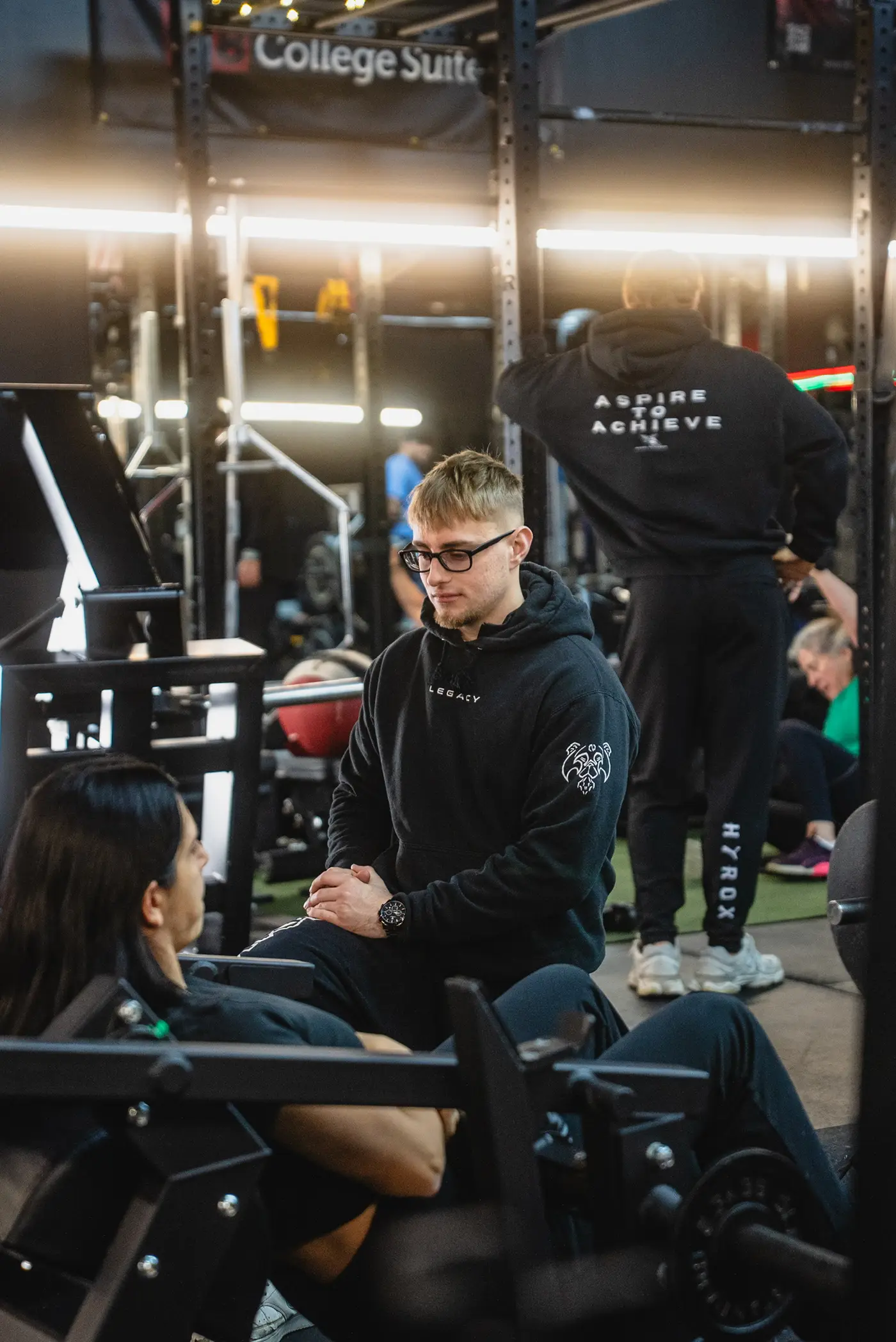
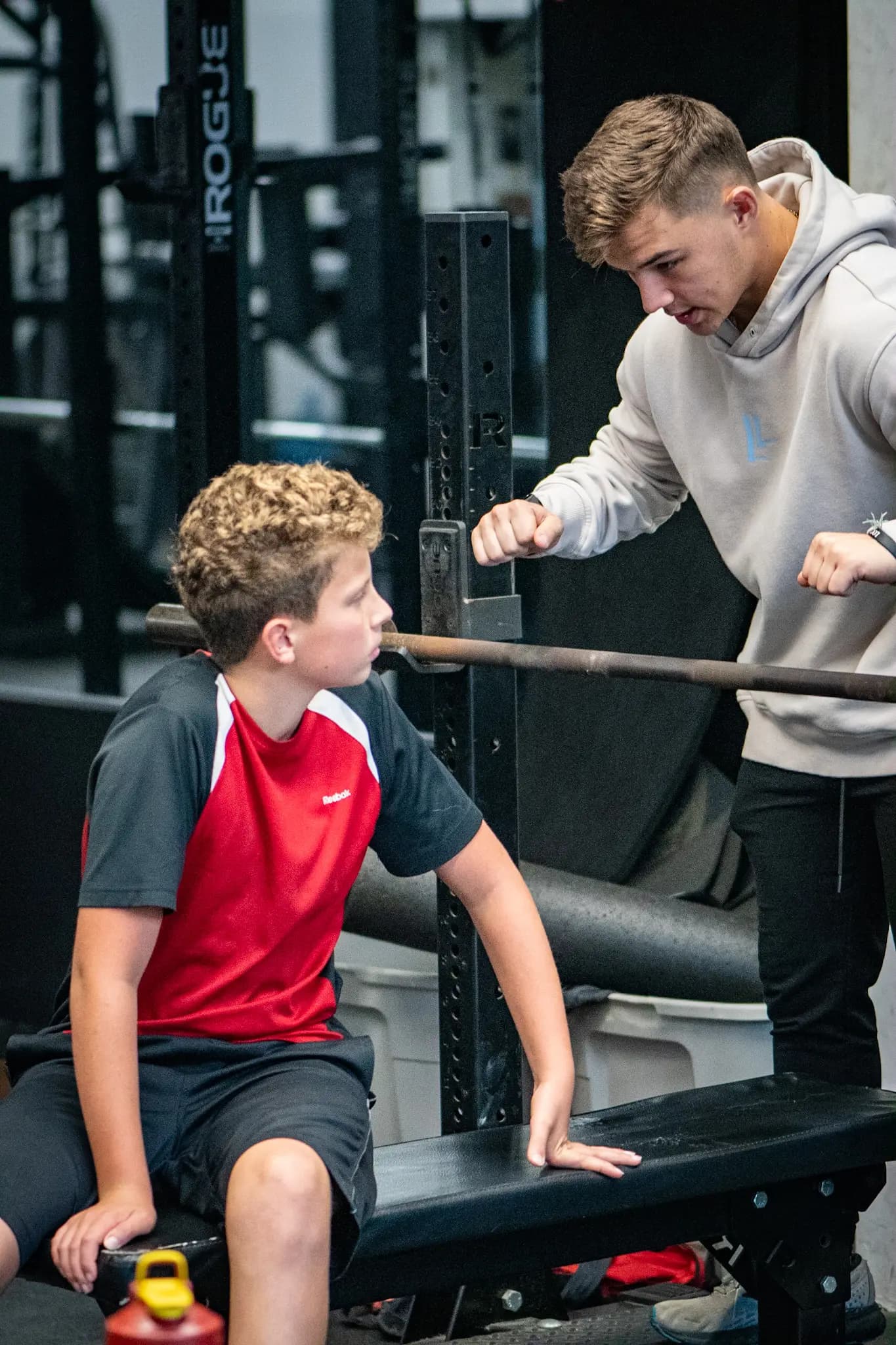
Weekly personal training
Unlimited group training classes
Nutrition and lifestyle coaching
Weekly accountability and progress tracking
Baseline and post-program performance testing
The program emphasized measurable outcomes through a combination of coaching, accountability, and objective performance data.
Key Outcomes
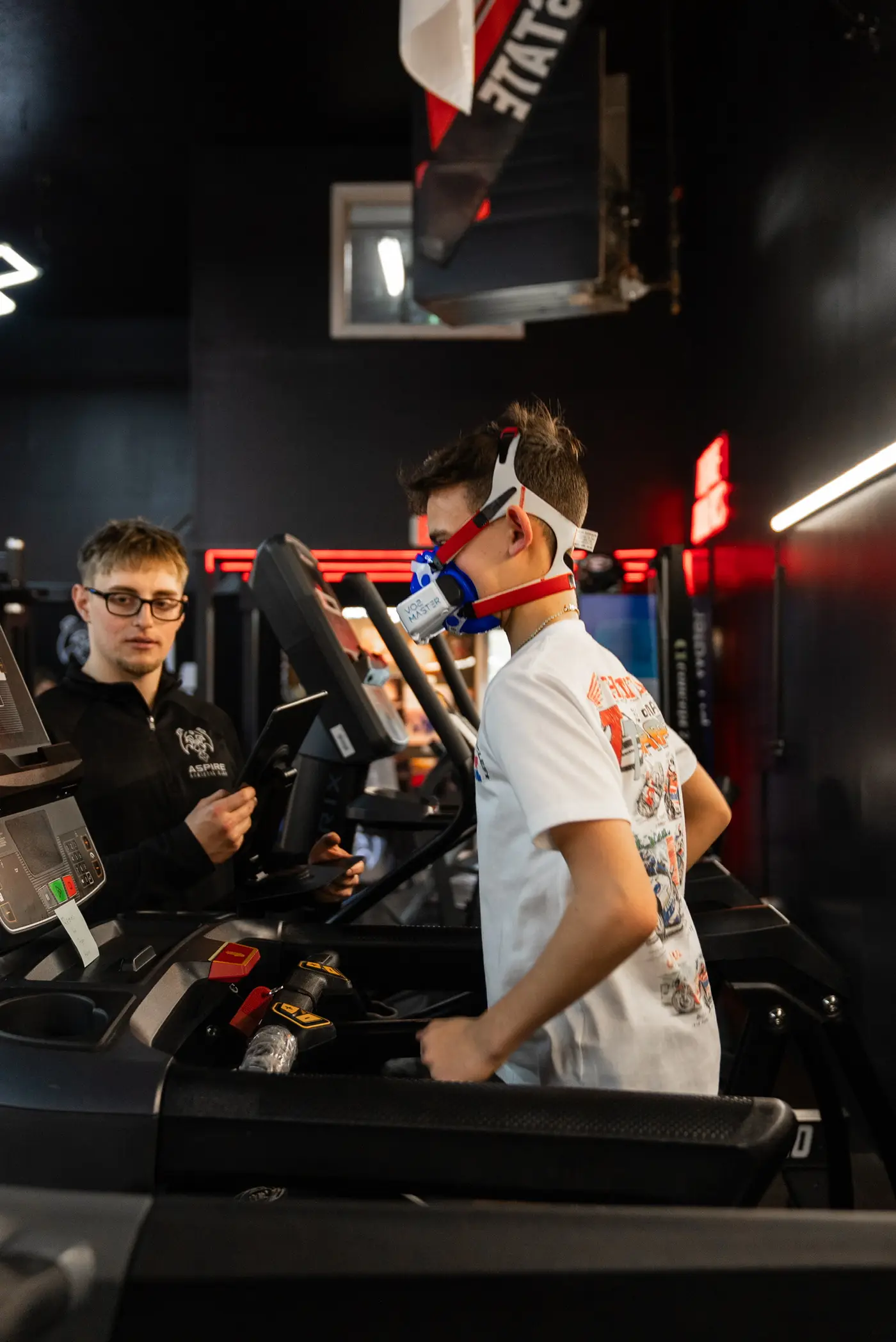
Cardiovascular Health (VO₂ Max)
Participants demonstrated significant improvements in aerobic capacity:
Average improvements: ~10% to 30%+
Multiple participants exceeded 20% gains
Top performers achieved 30%+ improvement
These improvements are strongly associated with:
Reduced cardiovascular disease risk
Improved energy, recovery, and endurance
Increased long-term health and longevity
Strength and Performance
Participants achieved measurable gains across all performance metrics:
Push-ups and sit-ups increased significantly, in many cases doubling
Lower body endurance improved consistently
Dead hang performance increased substantially
These results reflect improved functional strength, muscular endurance, and overall movement capacity.
Body Composition and Metabolic Health
Participants demonstrated:
Improvements in body composition and lean muscle development
Increased understanding of caloric needs through RMR testing
Better alignment with sustainable nutrition habits
Behavioral and Lifestyle Impact
Survey data revealed strong improvements in behavior and adherence:
100% reported improvements in strength, endurance, nutrition, and confidence
83.3% reported improved workout consistency
100% rated the program 5/5
100% would participate again and recommend the program
These findings indicate meaningful and sustainable lifestyle changes.
Community and Engagement
Participants consistently identified the community environment as a key factor in success, highlighting:
Strong accountability and support systems
Positive coaching relationships
Increased confidence and comfort in a structured training environment
The program fostered not only physical transformation, but also connection, motivation, and long-term engagement.
Program Effectiveness
The Aspire to Achieve Challenge delivered results across four key areas:
Physiological Improvement – measurable gains in cardiovascular fitness and strength
Behavioral Change – increased consistency and adherence
Psychological Impact – improved confidence and motivation
Community Engagement – strong participant connection and support
Key Differentiator
Aspire’s model integrates:
VO₂ Max testing
Metabolic analysis
Structured performance tracking
This data-driven approach allows for:
Personalized programming
Objective measurement of progress
Clear demonstration of outcomes
Conclusion
The 2026 Aspire to Achieve Challenge successfully delivered measurable improvements in health, performance, and behavior. The combination of structured coaching, accountability, and data-driven programming provides a scalable and effective model for long-term transformation.
Future Implications
Based on these outcomes, Aspire Athletic Club is positioned to:
Expand into corporate wellness and performance programs
Partner with healthcare organizations
Scale youth programming through The L.E.A.D. Foundation
Continue building a data-driven performance and wellness ecosystem
_PNG.png)


Comments