top of page
Search

Why Work With a Registered Dietitian?

  • Writer: Chris Wertman
    Chris Wertman
  • Dec 8, 2025
  • 3 min read

The Gold Standard in Nutrition, Health, and Performance

In today’s world, nutrition advice is everywhere—TikTok, Instagram, podcasts, friends who “read something once,” influencers selling supplements, and self-proclaimed “nutrition coaches” with no formal training. With so many voices competing for attention, it’s more important than ever to know who you can trust with your health. That’s where a Registered Dietitian (RD) comes in. A Registered Dietitian is the highest level of nutrition credential in the United States—fully trained, licensed, clinically supervised, and legally approved to provide nutrition care for both general wellness and medical conditions. Whether your goal is weight loss, building muscle, improving performance, or managing a chronic condition, an RD is the professional best equipped to guide you safely and effectively. Here’s why working with a Registered Dietitian matters.


1. Registered Dietitians Are Nutrition Experts—Not Influencers

Anyone can call themselves a “nutritionist.” The title is not legally protected in most states, meaning someone with no formal education can promote meal plans or give advice online.

A Registered Dietitian, on the other hand, must complete:

  • A master’s degree from an accredited nutrition program

  • 1,000+ hours of supervised clinical training

  • A rigorous national board exam

  • Ongoing continuing education

  • State licensure and professional regulation

This process ensures your RD has the education, practical training, and clinical competence to give evidence-based, individualized nutrition guidance—not trends or guesswork.


2. RDs Provide Medical Nutrition Therapy (MNT)

This is one of the most important differences. A Registered Dietitian is legally licensed to provide Medical Nutrition Therapy, which means they can help diagnose, treat, and manage nutrition-related health conditions, including:

  • Diabetes

  • High blood pressure

  • High cholesterol

  • Heart disease

  • Kidney disease

  • Digestive conditions

  • Eating disorders

  • Obesity and metabolic conditions

Nutritionists and coaches cannot legally provide medical treatment or disease management.

If you have a medical condition—or want to prevent one—an RD is the safest, most qualified professional to guide you.


3. You Get a Personalized Plan—Not a One-Size-Fits-All Diet

Your body, your metabolism, your health history, your goals…They are all unique. Registered Dietitians use:

  • Clinical assessments

  • Dietary analysis

  • Laboratory data (when available)

  • Medical background

  • Lifestyle factors

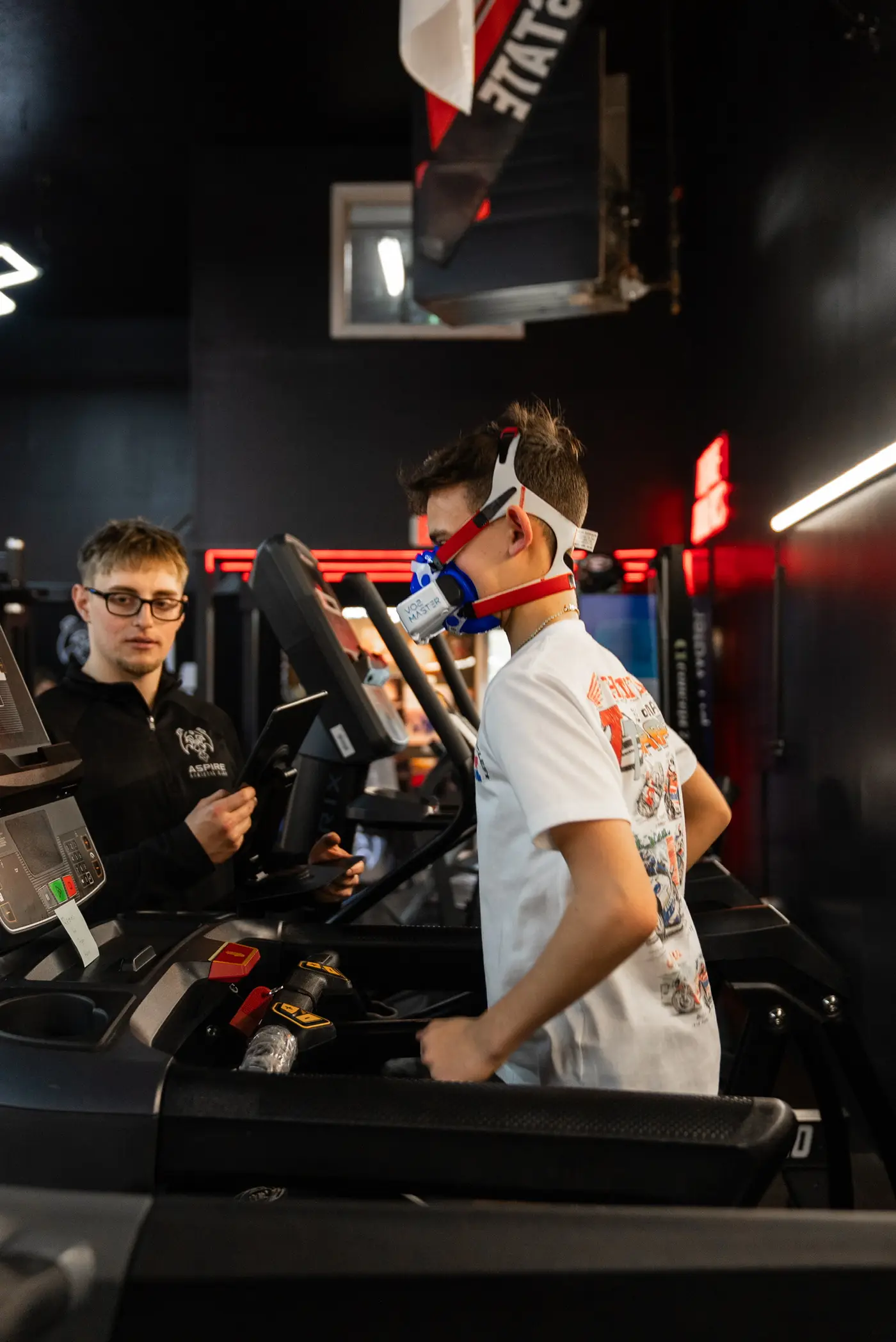
  • Metabolic testing (like RMR or VO₂ analysis, when offered)

This allows them to create a plan that fits your life, your preferences, and your long-term success. No cookie-cutter meal plans. No “eat this, not that.”Just evidence-based strategies that work for you.


4. RDs Help You Build Real, Sustainable Habits

Crash diets work temporarily. Accountability apps work when you remember to use them. Influencer workout challenges burn out fast. A Registered Dietitian helps you develop:

  • Healthier patterns

  • Better relationship with food

  • Sustainable routines

  • Strategies for travel, holidays, busy schedules

  • Long-term mindset shifts

This isn’t short-term dieting. It’s coaching for life.


5. RDs Can Improve Athletic Performance

For athletes—youth, collegiate, adult, or competitive—nutrition is often the missing piece. A Registered Dietitian can help with:

  • Fueling for training and competition

  • Carbohydrate periodization

  • Hydration strategies

  • Recovery nutrition

  • Muscle-building and strength goals

  • Weight-class or body composition goals

  • Performance supplementation guidance

Even small nutrition changes can lead to major improvements in energy, endurance, strength, and recovery.


6. Many Insurance Plans Cover RD Visits

While some gyms and nutrition programs require private payment, many insurance companies reimburse or fully cover dietitian visits when they fall under preventive care or medical nutrition therapy. For many people, working with an RD is low-cost or no cost depending on coverage.

This is a major advantage over generic nutrition coaching programs, which are almost always self-pay.


7. Working With an RD Means Safety, Accuracy, and Accountability

A Registered Dietitian is not just a coach—they are a healthcare provider. That means:

  • Your safety comes first

  • Your progress is monitored with clinical accuracy

  • Your plan is science-based

  • Your results are measurable and trackable

  • Your care is held to the highest professional standards

With chronic diseases rising across the country, proper nutrition guidance is more important than ever—and the most trusted professional to deliver it is an RD.

Final Thoughts:The RD Difference

If you’re serious about improving your health, performance, or lifestyle, working with a Registered Dietitian is one of the most effective steps you can take. They provide the education, expertise, accountability, and clinical support needed to create meaningful, lasting change. Whether you want to lose weight, manage a condition, fuel performance, or simply feel better day-to-day, an RD gives you the roadmap—and walks the journey with you.


Comments


bottom of page